





tales of travel
Stories, insights, recipes and more from all over Asia.
Written in the Stars: Stargazing & Dark Sky Travel
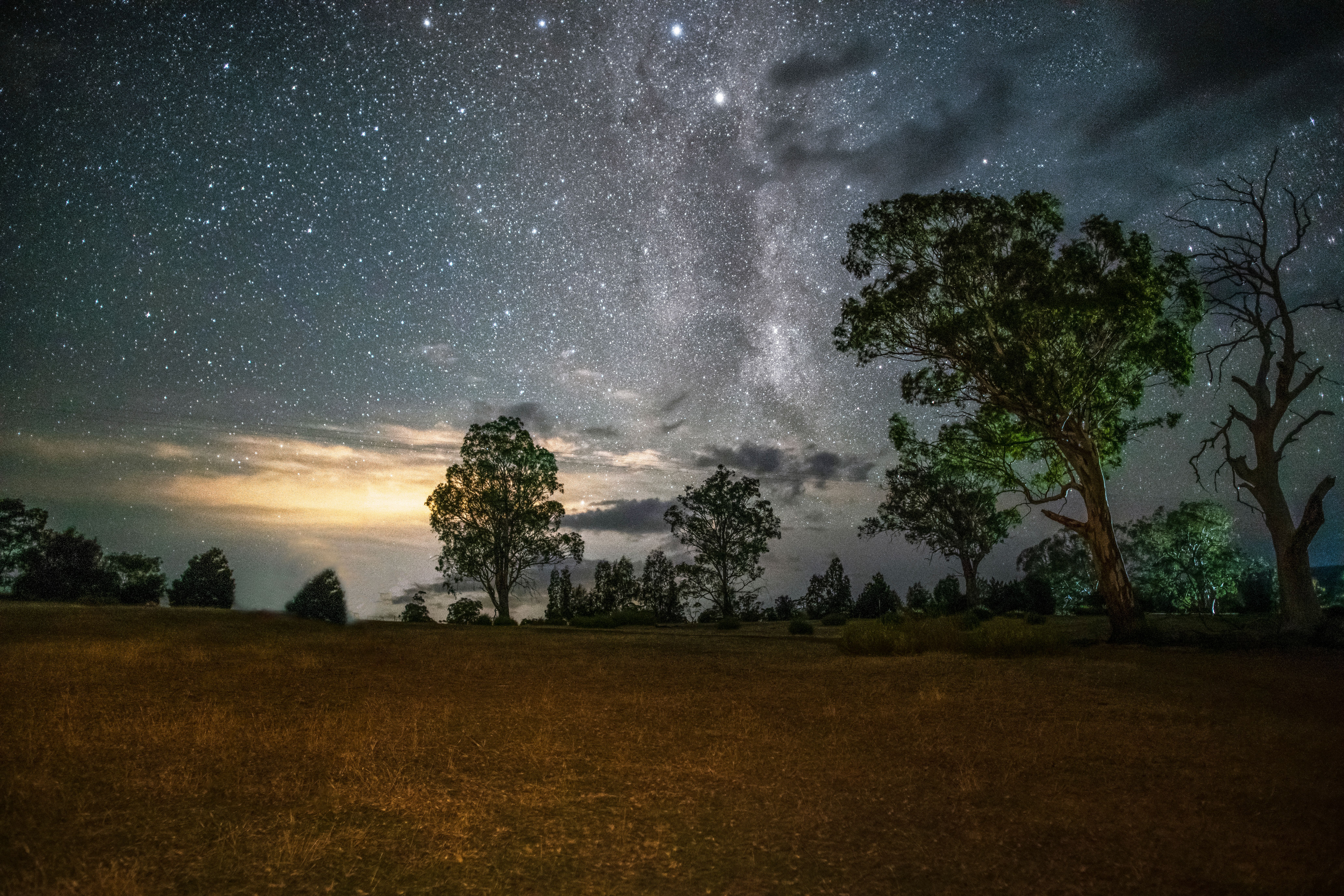
Some of the most memorable moments of a journey happen after the sun goes down. In Australia and New Zealand, vast deserts, alpine basins and remote islands sit far from city lights, and the night sky becomes part of the landscape itself.
The best places for stargazing in Australia and New Zealand are the remote ones. They include New Zealand’s Mt. Cook National Park around Lake Tekapo and Lake Pukaki, the Red Centre around Uluru and Kata Tjuta, South Australia’s Flinders Ranges, the wilderness of Tasmania and the secluded islands of the Great Barrier Reef. For the long, cool nights that suit stargazing, travel in the Southern Hemisphere winter, from June to August.
This guide to dark sky astrotourism in Australia and New Zealand brings together the regions, lodges and seasons that make these night skies so rewarding. It also shows how ATJ shapes them into one seamless journey.
The Best Stargazing Destinations in Australia and New Zealand at a Glance
| Destination | Why Go After Dark | Where to Stay | Best For |
|---|---|---|---|
| Lake Tekapo & Mt. Cook National Park, New Zealand | Alpine lakes in the shadow of Aoraki, far from any city | Mountain lodges near Mt. Cook; Grasmere Lodge | Winter stargazing, hiking and alpine scenery |
| Uluru & Kata Tjuta, Northern Territory | Red desert, ancient sacred sites, Aboriginal guides | Longitude 131°; Sails in the Desert | Culture, first-time visitors |
| Flinders Ranges, South Australia | Remote outback homestead | Arkaba Homestead | Outback astronomy, privacy |
| Tasmania | Some of the most untouched wilderness in Australia | Saffire Freycinet; Freycinet Lodge; Cradle Mountain Lodge | Nature lovers, couples |
| Great Barrier Reef & Western Australia | Secluded islands, dunes and coastlines | Lizard Island Resort; Qualia; Sal Salis | Reef by day, stars by night |
1. Lake Tekapo and Mt. Cook National Park: New Zealand’s Alpine Night Sky
For stargazing in New Zealand, the South Island’s Mt. Cook National Park is hard to match. High in the Southern Alps, this landscape of rugged peaks, glaciers, pristine lakes and great valleys lies far from the glow of any city. After dark, the sky above it feels vast.
The Māori name for Mt. Cook is Aoraki, often translated as “the Cloud Piercer”. Below it, Lake Tekapo glows an opaque turquoise by day, while Lake Pukaki’s milky blue-green waters mirror the mountain. Once the sun sets, both lakes become some of the most atmospheric places in the country to look up.
Key experiences around Lake Tekapo and Mt. Cook
- Hike, bike or explore in the shadow of Aoraki by day, then step outside after dinner to stargaze
- Watch the light change over Lake Tekapo and Lake Pukaki from dusk into night
- Pair the Mackenzie basin with Queenstown, New Zealand’s adventure capital, or Christchurch, the South Island’s “Garden City”
- On the North Island, visit the Waitomo Caves, where thousands of glow-worms shine like stars in the darkness of the famous grotto
Where to stay
Fabulous mountain lodges sit close to the national park, putting the night sky right on your doorstep. For an elegant country retreat amid the dramatic landscapes of the Southern Alps, Grasmere Lodge is a natural choice. Nearer Queenstown, The Lodge at Blanket Bay and Azur combine alpine views with a tranquil setting.
Who this destination is best for
Travellers who want winter stargazing in New Zealand alongside world-class alpine scenery, hiking and, in the colder months, time on the ski fields.
2. Uluru and Kata Tjuta: Stargazing in Australia’s Red Centre
Few places capture the sense of dark sky astrotourism in Australia like the Red Centre. Here, the world’s largest monolith rises out of burnt red isolation, and the nearby domes of Kata Tjuta create an otherworldly atmosphere steeped in ancient mythology.
Uluru is an ancient, sacred site for Aboriginal people, whose culture is the world’s oldest continuous living culture at over 60,000 years old. Exploring with a local Aboriginal guide adds immeasurably to the experience. It is also a meaningful way to understand how deeply this land, and the sky above it, is woven into Indigenous stories.
Key experiences at Uluru
- Watch Uluru at sunset in the crisp desert air, then stay out as the first stars appear
- Walk the sacred paths of Uluru with a local Aboriginal guide
- Ride a camel through the landscape around Kata Tjuta on a tour led by an Aboriginal guide
- Travel into the outback in style on The Ghan, one of Australia’s iconic luxury rail journeys
Where to stay
For a true under-the-stars experience, Longitude 131° offers exclusive tented pavilions among the red dunes, with direct views of Uluru and Kata Tjuta. Sails in the Desert blends modern comforts with Indigenous-inspired design, making it a culturally rich base for exploring the region.
Who this destination is best for
First-time visitors to Australia, and anyone who wants Uluru night sky experiences grounded in culture, landscape and genuine Aboriginal insight.
3. The Flinders Ranges: Outback Astronomy in South Australia
In South Australia’s Flinders Ranges, the outback feels wonderfully remote. With few neighbours and wide horizons, the night sky over the ranges is one of the quiet rewards of travelling this far off the beaten track.
Key experiences in the Flinders Ranges
- Spend unhurried evenings beneath the Flinders Ranges night sky, far from any city
- Explore rugged outback landscapes by day
- Combine the ranges with Kangaroo Island, home to sea lions, kangaroos, echidnas, koalas and fairy penguins
- Add a few nights of wine and vineyard views in the Barossa Valley
Where to stay
Arkaba Homestead is a restored 1850s homestead offering an exclusive outback experience. It is an ideal base for travellers who want privacy, space and a sky full of stars.
Who this destination is best for
Travellers looking for outback astronomy with a sense of solitude, and those who want to pair the night sky with wildlife and wine.
4. Tasmania: Wilderness Nights at the Edge of Australia
Tasmania’s wild places make it one of Australia’s most rewarding stargazing spots. Cradle Mountain’s wilderness area is some of the most untouched on the continent, with soaring peaks, ancient rainforest and crystal-clear lakes. Along the east coast, Freycinet National Park frames the Hazards Mountains and Great Oyster Bay.
Key experiences in Tasmania
- Walk among the peaks and lakes of Cradle Mountain, then return to your lodge for a clear night sky
- Cruise through the UNESCO Tasmanian Wilderness World Heritage Area on the Gordon River
- Meet Tasmanian devils at The Devils at Cradle sanctuary
- Discover Indigenous art and Aboriginal heritage on a tailored Tasmanian itinerary
Where to stay
Saffire Freycinet is an award-winning luxury lodge with views of the Hazards Mountains. Freycinet Lodge offers secluded cabins inside the national park, and Cradle Mountain Lodge sits on the edge of the Cradle Mountain-Lake St. Clair National Park.
Who this destination is best for
Couples and nature lovers who want dark, quiet nights after days of hiking, wildlife and wilderness.
5. The Great Barrier Reef and Western Australia: Stars by the Water
For many travellers, the most magical Southern Hemisphere night sky is seen from the water’s edge. Australia’s remote islands and coastlines offer secluded nights far from the mainland’s lights.
Key experiences by the water
- Snorkel the Great Barrier Reef by day, then enjoy a secluded island evening beneath the stars
- Explore the reef from a private yacht charter over multiple nights
- Cruise the rugged Kimberley coast with True North, a luxury expedition cruise to Australia’s remote coastlines
- Swim with whale sharks at Ningaloo Reef (March to August)
Where to stay
Lizard Island Resort is the northernmost resort on the Great Barrier Reef, offering secluded luxury. Qualia on Hamilton Island offers pavilion-style accommodation in the Whitsundays. In Western Australia, Sal Salis offers eco-luxe safari tents in the dunes of Cape Range National Park, one of Australia’s most memorable ways to glamp under the stars. El Questro Homestead in the Kimberley and Bamurru Plains on the edge of Kakadu add a wilder outback dimension.
Who this destination is best for
Travellers who want Great Barrier Reef stargazing alongside snorkelling, wildlife and total seclusion.
When Is the Best Time for Stargazing in Australia and New Zealand?
The seasons in Australia and New Zealand are the reverse of those in the Northern Hemisphere. When it is summer in the US or UK, it is winter down under.
- June to August (winter): Days are pleasant and nights are cool, which suits stargazing. June marks the start of the dry season in the Northern Territory, when Uluru is at its best in the crisp desert air. August is peak ski season in New Zealand, so you can pair slopes by day with winter stargazing in New Zealand by night.
- September to November (spring): Western Australia’s wildflower season makes a colourful pairing with the Great Barrier Reef, which enjoys excellent conditions in September.
- December to February (summer): Long days suit active South Island itineraries. Nights are shorter, but New Zealand remains a year-round destination.
Your ATJ travel expert will match the season to your interests, so the night sky is one highlight among many.
How to Choose the Right Dark Sky Destination for You
- For a first visit to Australia: Uluru and Kata Tjuta, with Aboriginal guides and a night at Longitude 131°
- For alpine scenery and winter travel: Lake Tekapo and Mt. Cook National Park, combined with Queenstown
- For solitude and the outback: The Flinders Ranges from Arkaba Homestead
- For wilderness and wildlife: Tasmania’s Cradle Mountain and Freycinet
- For the reef and the coast: Lizard Island, Qualia or Sal Salis
- For the ultimate journey: Combine New Zealand’s South Island with Australia’s Red Centre in one trip
Ready to Start Planning?
ATJ designs Australia and New Zealand journeys that go beyond the sights. We design the moments in between, including the ones after dark. Every lodge, guide and route is tailored to your season, interests and pace. Custom travel starts from $750 per day per person in Australia and $800 per day per person in New Zealand.
START PLANNING YOUR TRIP · EXPLORE THE BEST OF ATJ
Frequently Asked Questions About Stargazing in Australia and New Zealand
What is the best time of year to go stargazing in Australia and New Zealand?
The Southern Hemisphere winter, from June to August, brings cool nights that suit stargazing. It is also when Uluru is at its best in the dry season and New Zealand’s ski fields are open. Both countries are year-round destinations, so your ATJ expert can plan around your dates.
Where are the best places for stargazing in Australia and New Zealand?
In New Zealand, head to Lake Tekapo, Lake Pukaki and Mt. Cook National Park on the South Island. In Australia, the Red Centre around Uluru and Kata Tjuta, the Flinders Ranges, Tasmania and the Great Barrier Reef islands all offer dark, remote skies.
Do I need special equipment to go stargazing, or can I join a guided tour?
No special equipment is needed to enjoy the night sky in these remote regions. Staying at a lodge such as Longitude 131°, Arkaba Homestead or Sal Salis puts the stars right outside your door. Your ATJ expert can also arrange local guides, including Aboriginal guides at Uluru, to add context to the landscape.
Can I combine stargazing with other experiences?
Yes. Stargazing pairs naturally with snorkelling the Great Barrier Reef, wildlife on Kangaroo Island and in Tasmania, wine in the Barossa Valley and skiing around Queenstown. ATJ builds these into one tailored itinerary.
Which luxury lodges are best for stargazing?
Longitude 131° at Uluru, Arkaba Homestead in the Flinders Ranges, Saffire Freycinet in Tasmania, Sal Salis at Ningaloo Reef and Lizard Island Resort on the Great Barrier Reef are all remote and luxurious. In New Zealand, Grasmere Lodge in the Southern Alps and the mountain lodges near Mt. Cook are excellent choices.
Reviewed by KIRSTEN LOUY-NASTY September 2026
CHIEF EXECUTIVE OFFICER & CO-OWNER

Kirsten was raised in our nation’s capital, where her curiosity about distant places first took root. Her passion for global exploration was solidified after traveling to Papua New Guinea to work with a grassroots organization focused on women and small businesses. She went on to establish and earn the first Bachelor of Arts degree in Cultural Studies at Keene State College in New Hampshire. Since then, Kirsten has traveled extensively across five continents, deepening her understanding of diverse cultures and communities.






sign up for our
Newsletter
Stay current with all the latest being offered from ATJ, as
well as updates on Asia Destinations.