





Destinations That Go Together
Some places are better together. When you're already halfway around the world, why not add a destination that's just next door? These are the pairings our travelers love most.
Southeast Asia's greatest hits, all within a short flight of each other. These four countries share deep cultural roots, incredible food traditions, and a pace of travel that rewards slowing down. Combine two or combine them all — the connections are easy and the contrast between them is what makes the journey unforgettable.
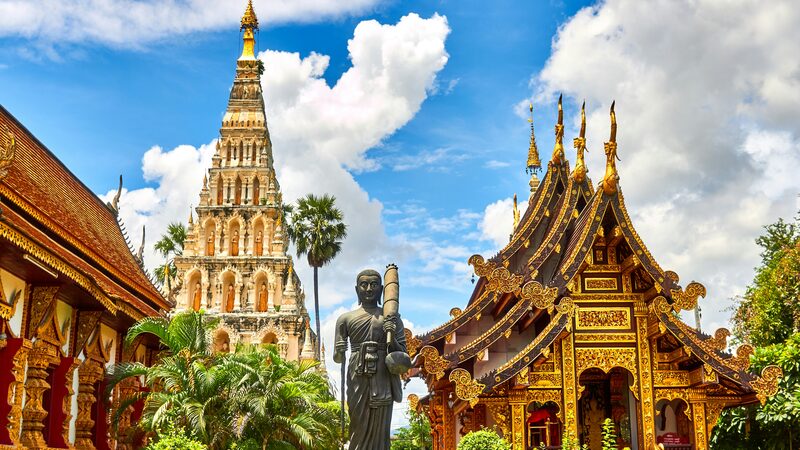
Temples, Street Food & the Islands
From the energy of Bangkok's markets to the misty hills of Chiang Mai and the limestone karsts of the south, Thailand is the natural starting point for any Southeast Asia journey. Most international flights route through Bangkok, making it the perfect gateway.
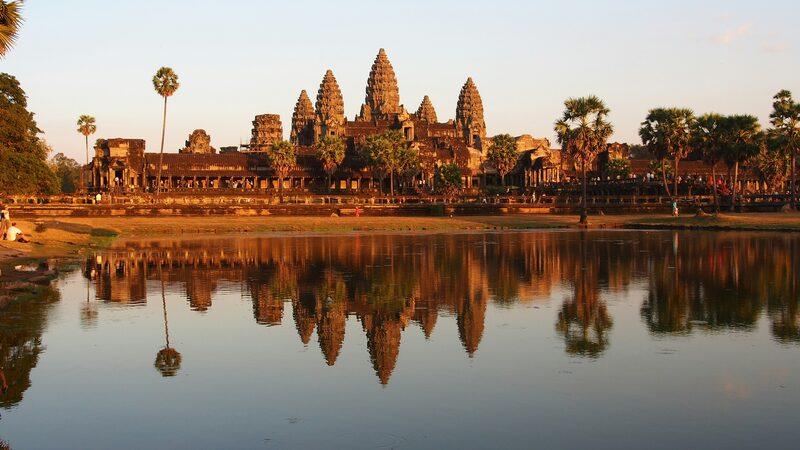
Angkor, Culture & Coastline
Cambodia's ancient temples are reason enough to visit, but the country's warm people, emerging food scene, and undeveloped southern coast make it far more than a one-stop wonder. Siem Reap to Phnom Penh is a natural arc that tells Cambodia's whole story.
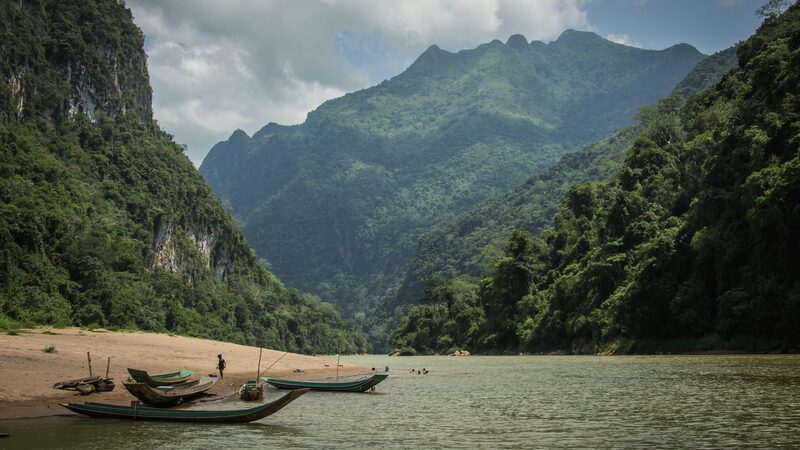
The Mekong, Mountains & Monasteries
Laos is Southeast Asia at its most unhurried. The morning alms ceremony in Luang Prabang, slow boat rides on the Mekong, and rice paddies stretching to the horizon — this is the antidote to over-tourism. If you want to feel the journey, Laos is where it happens.
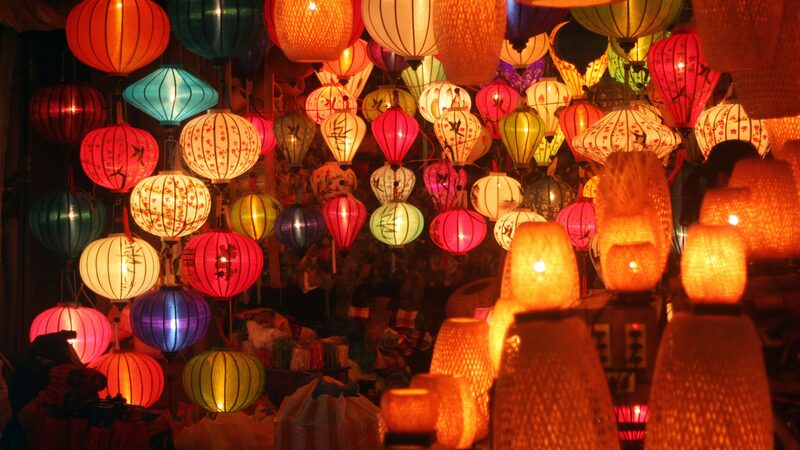
From Hanoi to the Mekong Delta
Vietnam rewards travelers who take their time. The street food in Hanoi, the lantern-lit alleys of Hoi An, the imperial citadel in Hue, and the buzzing energy of Saigon — it's a country that changes character every few hundred miles, and every chapter is worth reading.
Why this pairing works
These four countries sit side by side in mainland Southeast Asia, connected by short flights, shared borders, and centuries of intertwined history. Bangkok serves as the natural hub — you can reach any of the other three capitals in under two hours by air. The beauty of combining them is the contrast: Thailand's polish against Laos's tranquility, Cambodia's ancient grandeur next to Vietnam's kinetic energy. And because the region is so well-connected, you're not wasting days in transit. You're spending them exploring.
Separated by just a narrow strait, India and Sri Lanka share deep cultural and spiritual connections — yet feel like entirely different worlds. Combine the sensory overload of India with the compact, coastal beauty of Sri Lanka for a trip that covers an astonishing range of experiences without an exhausting amount of travel.
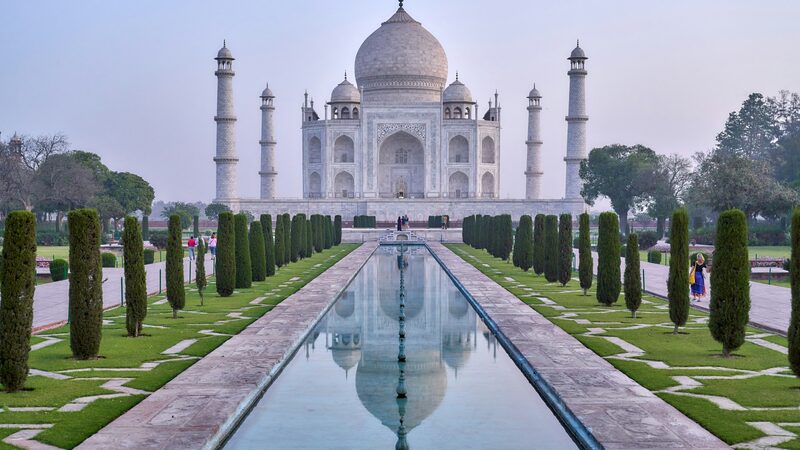
A Continent Within a Country
India defies summary — and that's exactly the point. Whether it's the palaces of Rajasthan, the backwaters of Kerala, the sacred ghats of Varanasi, or the alpine beauty of Ladakh, every region feels like a different country. Most travelers only scratch the surface, which is all the more reason to keep coming back.
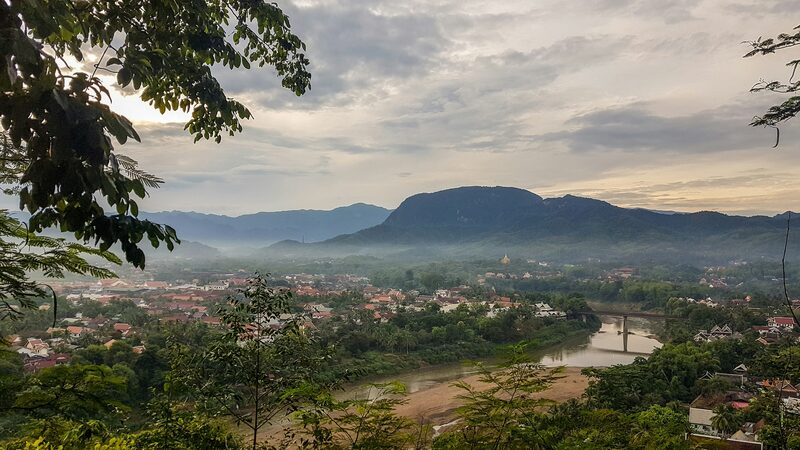
A Whole World in a Small Island
Sri Lanka packs an extraordinary amount into an island smaller than Ireland. Ancient temples, misty tea country, pristine beaches, world-class wildlife, and a food culture that's quietly one of Asia's best. After the intensity of India, Sri Lanka offers the perfect change of pace — lush, manageable, and deeply rewarding.
Why this pairing works
India and Sri Lanka are separated by only 30 miles of ocean at their closest point, and the flight from southern India to Colombo is barely two hours. But beyond geography, the pairing works because of rhythm. India is vast, intense, and endlessly stimulating — and after a week or two of that glorious sensory immersion, Sri Lanka's gentler pace feels like a natural exhale. The tea hills, beach towns, and wildlife parks give you space to process everything you've just experienced. Together, they make one trip that tells two very different stories.
East Asia's most dynamic duo. Korea and Japan sit just across the sea from each other — connected by short flights and even a ferry — and together they offer an unbeatable combination of ancient tradition, cutting-edge culture, and food that will ruin you for everything else.
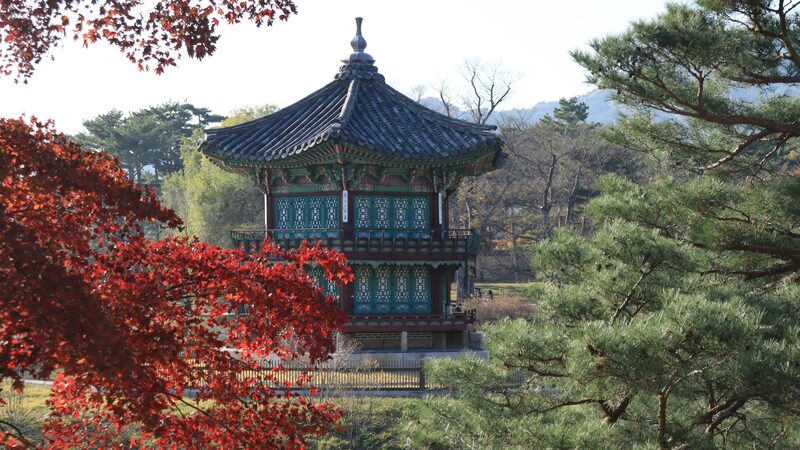
Seoul, Temples & Hidden Coastlines
Korea has emerged as one of Asia's most exciting destinations — and not just because of K-pop and K-drama. Seoul is a masterclass in contrasts (ancient palaces next to neon-lit nightlife), the temple stays are transformative, and the food scene runs deep, from street stalls to Michelin stars. The southern coast and Jeju Island add a whole other dimension most visitors miss.
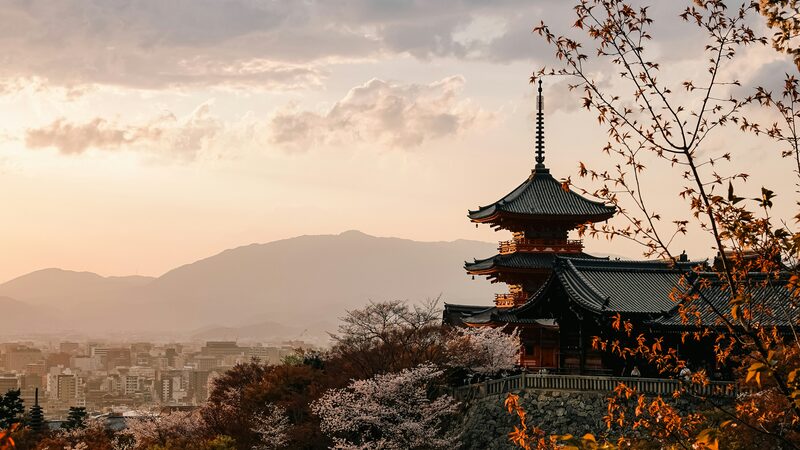
Tradition, Innovation & Everything Between
Japan needs no introduction — but it always surprises. Beyond the well-trodden path of Tokyo and Kyoto lie mountain villages, art islands, and rural onsen towns that feel centuries removed from the bullet trains. Japan is a country that rewards both first-timers and lifelong returners with equal generosity.
Why this pairing works
Korea and Japan are close enough that combining them barely adds any travel time — Seoul to Tokyo or Osaka is a quick flight, and Busan to Fukuoka is just a ferry ride. But the real reason to pair them is how beautifully they complement each other. Both cultures revere craftsmanship, seasonality, and food, but express it in wonderfully different ways. Japan's quiet precision next to Korea's vibrant energy. Zen gardens next to K-beauty shops. Ramen next to kimchi jjigae. It's not a competition — it's a conversation, and being in both countries makes each one richer.
The classic Pacific pairing — and for good reason. When you're already making the long-haul journey to this corner of the world, combining Australia's vast landscapes with New Zealand's dramatic scenery turns a great trip into an unforgettable one. Two countries, one region, endlessly complementary.
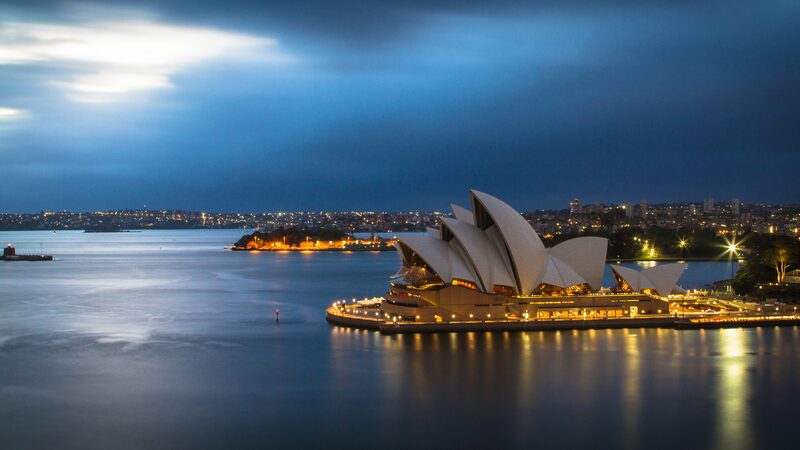
Reef, Red Centre & Coastal Cities
Australia's scale is part of its magic. The Great Barrier Reef, the otherworldly Outback, world-class cities like Sydney and Melbourne, and a wine country that rivals anywhere in the world — it's a continent masquerading as a country. Most travelers focus on a region or two per trip, and that's exactly the right approach.
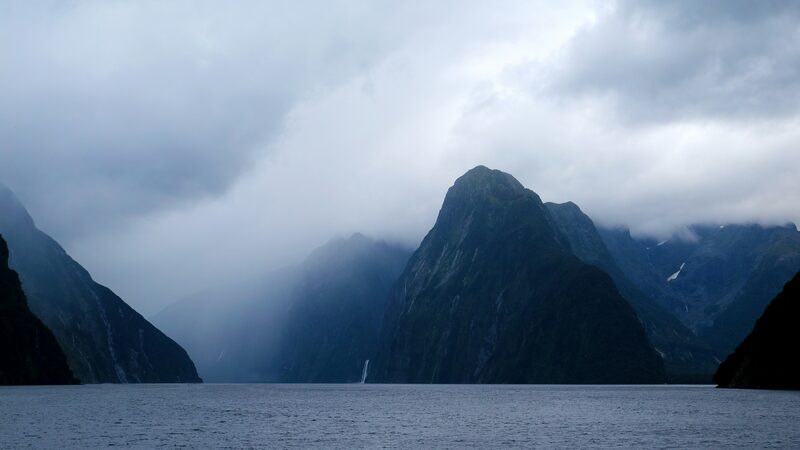
Mountains, Fjords & Wide Open Spaces
New Zealand crams an almost absurd amount of natural beauty into a country roughly the size of Colorado. Fiordland's towering peaks, the volcanic landscapes of the North Island, Marlborough's wine trails, and some of the world's best hiking — all connected by some of the most scenic drives you'll ever take.
Why this pairing works
The practical argument is simple: you're already flying 15+ hours to reach this part of the world, and the hop between Australia and New Zealand is just 3 hours. It would almost be a waste not to combine them. But the experiential argument is even stronger. Australia is big, bold, and sun-drenched — vast deserts, coral reefs, cosmopolitan cities. New Zealand is intimate, dramatic, and green — fjords, glaciers, and trails that wind through some of Earth's last untouched wilderness. Together, they give you the full spectrum of what the Pacific has to offer, and the contrast between them is what makes the trip feel complete.