





tales of travel
Stories, insights, recipes and more from all over Asia.
A Once In A Lifetime Summer Vacation – A Comprehensive Guide to Japan’s Hachimantai Heartland
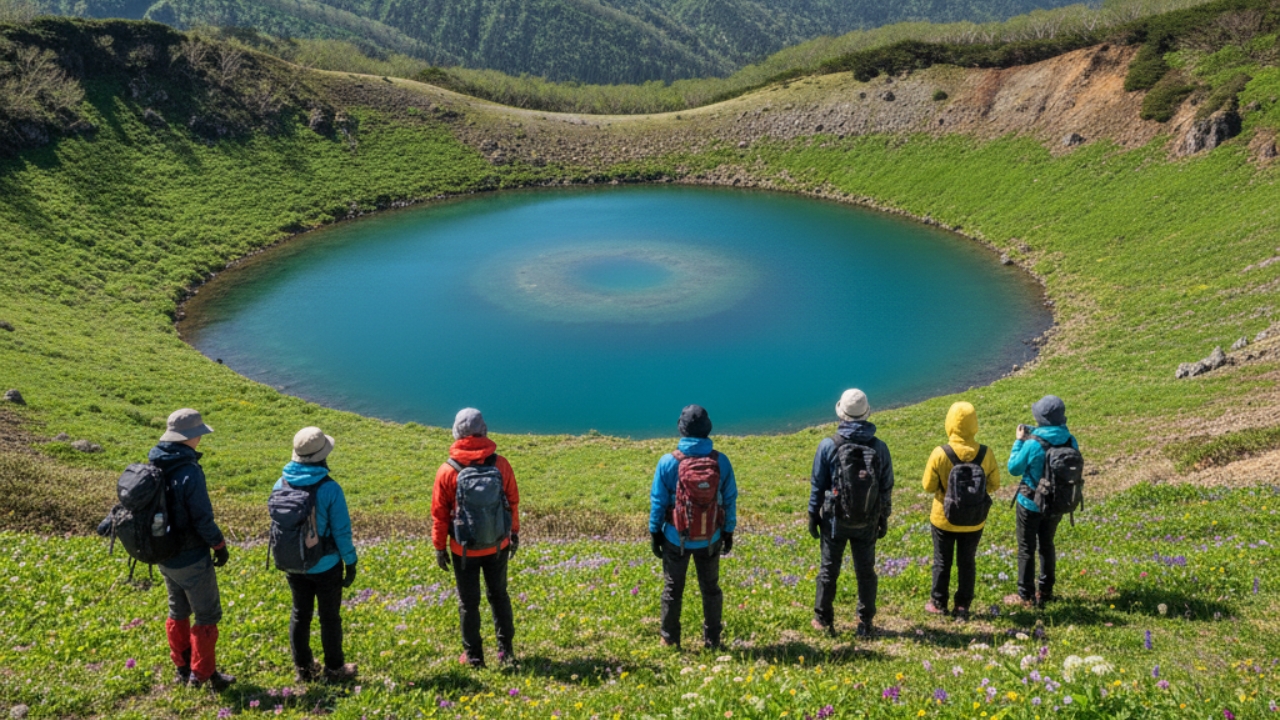
Building on our summer travel guide to the Hachimantai Plateau, we turn our focus toward the deeper cultural layers and luxury potential of the Tohoku region. While the plateau is famous for its “Dragon Eye” lake and cooling summer breezes, it is a land of history, tradition, and excellent, high-end hospitality that reveals its best secrets to those who stay longer.
The Hachimantai Plateau, straddling the border of Iwate and Akita prefectures within the Towada-Hachimantai National Park, offers a rare balance. It is a place where you can stand atop a volcanic peak in the morning and dine in a world-class mountain resort by evening, all while surrounded by the haunting echoes of Japan’s industrial past and the vibrant pulse of its artisanal present.
What is the History of Hachimantai?
The Haunting Beauty of the Matsuo Mine
For history enthusiasts and photographers, the Matsuo Mine offers one of the most compelling narratives in Northern Japan. Once a massive industrial operation, this site supported a thriving community of workers and their families. Today, the remains of its ghost-town apartment blocks stand as silent, concrete monoliths against the verdant slopes. Exploring these ruins provides a striking, contemplative contrast to the pristine wilderness of the national park, offering a window into the life of the people who once called this volcanic ridge home.
Geothermal Art and Jomon Origins
The volcanic power of the region is not merely a source of heat for the area’s famous onsen; it is a partner in the creative process. In the Matsuo area, a unique tradition of geothermal craft thrives. Local artisans utilize natural steam and geothermal heat for specialized dyeing and woodworking, producing colors and textures that are deeply tied to the earth’s energy.
For those interested in the deepest roots of Japanese civilization, the nearby Kazuno area in Akita Prefecture serves as a gateway to the past. The region is rich with Jōmon-era artifacts, connecting modern travelers to the ancient hunter-gatherer cultures that navigated these forests thousands of years ago. Visitors can explore regional museums and craft houses that display these prehistoric treasures, offering a perspective on how humanity has coexisted with this volcanic landscape for millennia.
Where Should You Stay on the Hachimantai Plateau?
Hachimantai is rapidly evolving into a premier destination for the “slow travel” connoisseur. The region is moving beyond simple mountain lodges to offer sophisticated retreats that emphasize harmony with the environment.
ANA InterContinental Appi Kōgen Resort
This is the pinnacle of modern alpine comfort in the Tohoku region. The resort offers upscale amenities, including a spa, sauna, and fine dining, complemented by local sake. It is a destination that blends contemporary luxury with the surrounding natural beauty, offering art galleries and nature walks for its guests.
AZUMA FARM (Opening Spring 2026)
The most anticipated development in the region is AZUMA FARM. With the involvement of Adrian Zecha, the legendary founder of Aman, this project is set to redefine luxury in Northern Japan. It promises a transformative experience that integrates the surrounding farm and forest ecology into the guest experience.
Hachimantai Mountain Hotel & Spa
A comfortable, modern base with excellent outdoor baths offering broad mountain views. It is ideal for travelers planning a multi-day stay, providing easy access to the summit highlights.
The Onsen Tradition
For a more rustic, “old-world” luxury, the Matsukawa Onsen cluster remains essential. Lodges like Matsukawa Onsen Kyounso offer the timeless appeal of mineral-rich, milky-white waters that have been a source of healing for centuries.
Nyūtō Onsen Village
Located further west in Akita, this cluster of secluded ryokan, such as Tsurunoyu Onsen or Kuroyu, offers a traditional experience with thatched hot-spring lodges and dinner by an irori hearth.
A Refined 7-Day Northern Japan Itinerary
To fully capture the spirit of Northern Japan, we recommend an expanded itinerary that moves from the volcanic heights of Iwate to the remote, spiritual valleys of Akita.
- Day 1: Arrive via Morioka (a 1-hour-and-15-minute drive) and ascend into the highlands. Stroll the short boardwalks of Kagami Numa (the Dragon Eye lake) and Tashiro Daira. Check into a refined onsen ryokan in the Hachimantai Onsenkyō area for a kaiseki dinner featuring Iwate wagyu.
- Day 2: Dedicate your morning to exploring the haunted remains of the Matsuo Mine. After a lunch featuring regional mushrooms, drive the scenic Aspite Line up to the Hachimantai summit. Visit nearby craft studios using geothermal heat before staying at a boutique onsen like Matsukawa Onsen Kyounso.
- Day 3: Visit local forest shrines and Shugendō sites near the Matsukawa valley. Enjoy a picnic by a high-moor pond such as Goshogake Marsh. In the afternoon, transition to the upscale Appi Kōgen resort zone.
- Day 4: Explore regional museums in Kazuno featuring Jōmon artifacts. Join a guided nature walk through alpine marshlands and beech forests to learn how locals live in harmony with volcanic nature. Return to Appi Kōgen for a forest-spa treatment.
- Day 5: Drive west to Nyūtō Onsenkyō. Visit artisans in Kosaka or Hanawa en route. Arrive at a secluded lodge like Tsurunoyu Onsen to bathe in milky mineral springs surrounded by forest.
- Day 6: Arrive in Morioka, explore the Nanshoso District, local cuisine like Wanko Soba, Jaja-men and Morioka Raymen, then finish the day with a walk around Kiku no Tsukasa Brewery and enjoy a tasting.
- Day 7: Consider extending your stay to visit the samurai houses of Kakunodate or take a trip to Lake Tazawa for kayaking and e-bike tours.
Is Hachimantai Worth Visiting Outside of Summer? Seasonality Guide
While summer offers the relief of cool highland air (typically 18–22°C), Hachimantai is a four-season destination with a distinct personality in every month:
- Spring (Ethereal Rebirth): This is the only time to witness the surreal Dragon Eye phenomenon at Kagami-numa (late May to early June) as the ice melts into a perfect pupil. It is a landscape of melting snow and dramatic awakening.
- Summer (Lush Exploration): Ideal for outdoor exploration, with lush greenery and full access to every hiking trail, from the easy Rim Trail to the challenging ascent of Mt. Iwate.
- Autumn (Fiery Mastery): A world-renowned display of foliage that is fiery and clear. This is also a peak season for culinary depth, as the region’s harvest—including mountain vegetables and mushrooms—is celebrated.
- Winter (Tranquil Healing): The region transforms into a beautifully remote sanctuary. It is a time for healing in steaming outdoor baths while surrounded by deep snow and quiet, frozen landscapes.
Planning Your 2026 Tohoku Retreat
The Hachimantai Plateau is a destination that rewards the curious and those willing to venture off the beaten path. Whether you are drawn by the haunting history of the Matsuo Mine, the spiritual call of the mountain shrines, or the impending opening of AZUMA FARM in 2026, the region demands a slower, more intentional pace.
A car is essential for this journey, providing the freedom to reach trailheads, hidden onsens, and scenic viewpoints at your own pace. The plateau is large, and its best sights are spread across the highlands. ATJ is your specialist for crafting unique Tohoku adventures, such as reserving the ideal Morioka rental or securing a private bath at a secluded ryokan. Contact us to start planning your Northern Japan journey for a seamless, life-changing, once-in-a-lifetime summer vacation.
Reviewed by KIRSTEN LOUY-NASTY December 2025
CHIEF EXECUTIVE OFFICER & CO-OWNER

Kirsten was raised in our nation’s capital, where her curiosity about distant places first took root. Her passion for global exploration was solidified after traveling to Papua New Guinea to work with a grassroots organization focused on women and small businesses. She went on to establish and earn the first Bachelor of Arts degree in Cultural Studies at Keene State College in New Hampshire. Since then, Kirsten has traveled extensively across five continents, deepening her understanding of diverse cultures and communities.







sign up for our
Newsletter
Stay current with all the latest being offered from ATJ, as
well as updates on Asia Destinations.