





tales of travel
Stories, insights, recipes and more from all over Asia.
Discovering Indigenous Heritage and Untamed Wilderness in Eastern Hokkaido
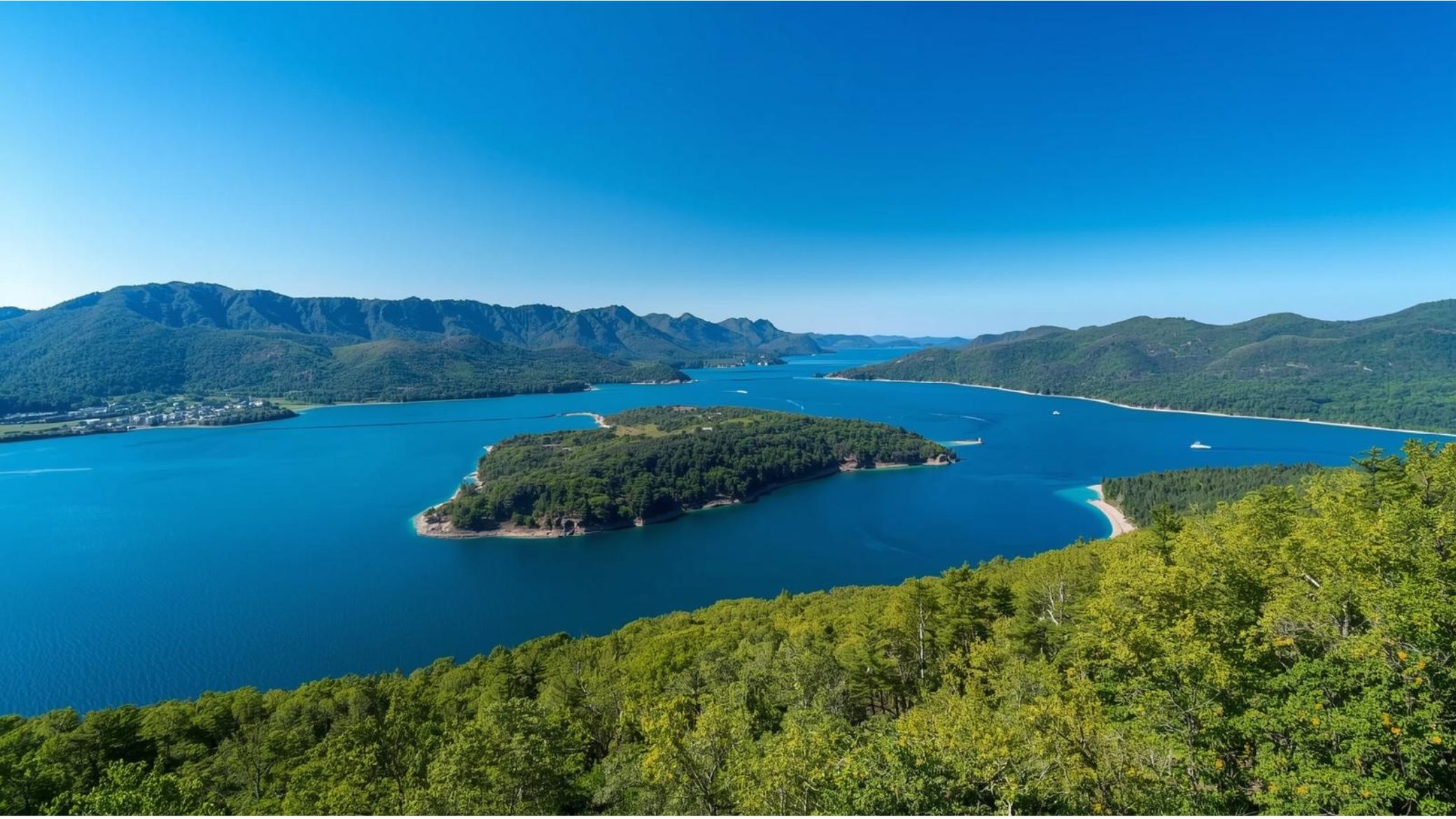
Summary: Eastern Hokkaido is Japan’s last vestige of true wilderness, a destination where humans and nature live in a delicate, millenary symbiosis. This region is defined by its dramatic scale-from the Kushiroshitsugen National Park, Japan’s largest marshland, to the rugged, 100-meter-tall coastal cliffs of the Shiretoko Peninsula. Here, “slow travel” means moving through national parks led by guides who share indigenous lore, staying in premium onsen lodges, and indulging in some of the freshest seafood and organic farm-to-table produce in the country.
Key Highlights & Takeaways
- Immerse yourself in the living culture of the Ainu people at Lake Akan through traditional performances and artisanal workshops.
- Explore Shiretoko National Park, a UNESCO World Natural Heritage site renowned for its diverse ecosystem that connects the sea, land, and mountains.
- Watch for iconic red-crowned cranes in Kushiro, brown bears on Shiretoko’s rocky beaches, and whales or orcas offshore.
- Visit Lake Mashu and Lake Kussharo, renowned for their exceptional clarity and pristine natural beauty.
- Savor the bounty of the Tokachi region, where award-winning cheeses and organic produce meet luxury glamping and resort dining.
Having explored the summer highlands of Hachimantai and the deep cultural heritage of the Tohoku region, our journey across Northern Japan now crosses the Tsugaru Strait. We arrive in Eastern Hokkaido, a region where Japan’s northernmost frontier reveals a profound connection between the land and the Indigenous Ainu people.
While Hachimantai offers volcanic plateaus and geothermal wonders, Eastern Hokkaido provides a vast, untamed landscape of reed-bed wetlands, ancient forests, and rugged coastlines, all of which are recognized by UNESCO.
What is the Significance of Ainu Culture in Hokkaido?
Eastern Hokkaido is the ancestral home of the indigenous Ainu people, whose name for the region-Shiretoko-means “the place where the earth juts out.” Their worldview is built on a deep reverence for nature, where spirits, or kamuy, reside in all things, from the bears of the mountains to the orcas of the sea.
Lake Akan and the Akanko Ainu Kotan
At Lake Akan, travelers can visit the Ainu Kotan, one of Hokkaido’s largest settlements. This vibrant village is home to around 120 people dedicated to preserving their heritage through music, dance, and crafts.
- The Akanko Ainu Theater Ikor presents traditional dances recognized by UNESCO as Intangible Cultural Heritage of Humanity.
- Over 20 craft shops line the village, where artisans teach traditional wood-carving and embroidery.
- Before entering the forest, travelers can witness or participate in Kamuy-nomi, an Ainu ritual prayer for safe travel and gratitude to the forest spirits.
Guided Nature with an Indigenous Perspective
Nature experiences led by Ainu guides offer a unique lens on the environment. Guided walks through the Lake Akan forest, such as the “Forest Time” tour, allow visitors to learn the Ainu names for trees and the traditional uses for plants while listening to the haunting sounds of the mukkuri (bamboo mouth harp) echoing through the woods.
Exploring the Natural Wonders: Wetlands and Crater Lakes
The geography of Eastern Hokkaido is a dramatic contrast to the mountainous terrain of the mainland.
Kushiroshitsugen National Park
Covering roughly 28,000 hectares, this park is Japan’s first Ramsar site and its largest wetland. It is famously the place where the red-crowned crane (tancho) was brought back from the brink of extinction after being discovered here in the 1920s.
- Canoe Tours: The best way to explore the meanders of the Kushiro River is by canoe, offering a silent, close-up look at rare birds and deer.
- Panoramic Observatories: The Hosooka Observatory offers views of the entire wetland, with the towering peaks of the Akan mountain range visible on the horizon.
Shiretoko – “The End of the Earth”
Shiretoko National Park is one of only five UNESCO World Natural Heritage sites in Japan. This narrow peninsula is virtually untouched by infrastructure, meaning many of its most dramatic features can only be reached by sea.
- Sightseeing Cruises: Departing from Utoro or Rausu, these boat tours allow for spotting brown bears roaming rocky beaches and orcas or dolphins in the Sea of Okhotsk.
- Shiretoko Five Lakes: A set of five small lakes formed by Mount Io, accessible via an 800-meter elevated wooden boardwalk that ensures visitor safety from resident brown bears.
- Kamuiwakka Hot Falls: A rare geological wonder where a river fed by hot springs becomes a “hot waterfall,” allowing travelers to hike through warm volcanic water.
A Sample 6-Day Immersive Eastern Hokkaido Itinerary
This itinerary captures the region’s diverse landscapes and cultural depth.
- Day 1: Arrival & Ainu Traditions. Fly into Kushiro and head straight to Lake Akan. Spend the afternoon in the Ainu Kotan village and attend a “Lost Kamuy” performance at the theater.
- Day 2: The Crater Lakes. Explore Akan-Mashu National Park. Take a boat cruise on Lake Akan to see the rare marimo moss balls and visit the clear vistas of Lake Mashu.
- Day 3: From Marshes to the Pacific. Witness red-crowned cranes at the Tsurui-Ito Tancho Sanctuary at sunrise. Move toward the Pacific coast to sample the region’s famous seafood.
- Day 4: Shiretoko Wilderness. Travel to Utoro. Walk the boardwalks of the Shiretoko Five Lakes and take a late afternoon cruise to spot brown bears along the coast.
- Day 5: Coastal Crafts and Hot Falls. Soak in the Kamuiwakka Hot Falls before heading to the east coast town of Rausu, famous for its kelp and whale-watching cruises.
- Day 6: Tokachi Agricultural Plains. Head inland to the Tokachi region. Visit an organic farm for a “farm to plate” lunch before departing from Kushiro or Sapporo.
Where Should You Stay in Eastern Hokkaido?
Lodging in Eastern Hokkaido ranges from traditional thatched-roof hot spring lodges to ultra-modern resorts.
- Kitakobushi Shiretoko Hotel and Resort: Located in Utoro, this resort offers ocean-facing baths and saunas with stunning views of the Sea of Okhotsk and winter drift ice.
- Akanko Onsen: The area surrounding Lake Akan is dotted with large onsen ryokan that provide a perfect base for Ainu cultural tours.
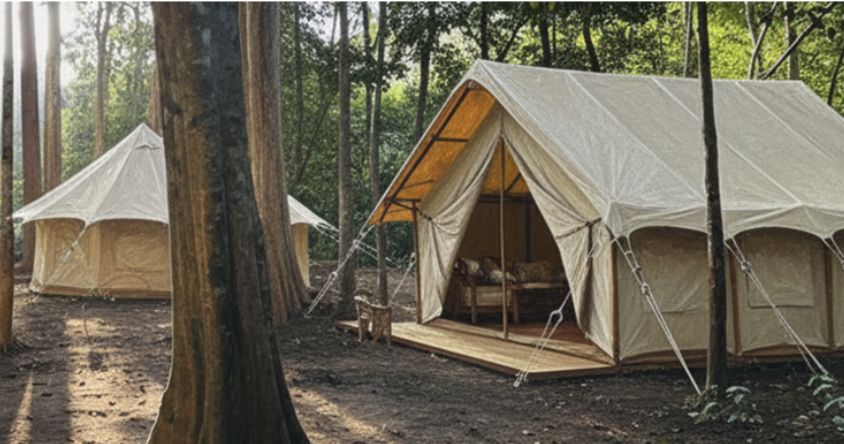
- Tokachi Glamping: For a more immersive experience, premium glamping tours in Tokachi allow guests to retire to luxury tents under the stars after a day of organic farm tours.
Seasonality – Northern Japan Trip
Depending on the time of year, Eastern Hokkaido reveals entirely different spectacles.
- Winter (January – March): The Sea of Okhotsk is covered in drift ice from Siberia. Travelers can take icebreaker cruises or even “walk” on the ice fields wearing dry suits.
- Summer (July – August): The most comfortable season for exploring Tokachi’s organic farms and hiking the Shiretoko mountain range.
- Autumn (September – October): Shiretoko Pass is one of the first places in Japan to catch fall colors, with the mountain range reflecting in the clear blue surfaces of the five lakes.
Planning Your 2026 Northern Frontier Journey
Eastern Hokkaido offers a profound sense of space and a rare opportunity to engage with Japan’s Indigenous heritage. Whether you are navigating the wetlands of Kushiro or dining on forest-to-table cuisine in Shiretoko, the specialists at ATJ can help seamlessly integrate these experiences into your wider 2026 travel plans.
Reviewed by KIRSTEN LOUY-NASTY Janurary 2025
CHIEF EXECUTIVE OFFICER & CO-OWNER

Kirsten was raised in our nation’s capital, where her curiosity about distant places first took root. Her passion for global exploration was solidified after traveling to Papua New Guinea to work with a grassroots organization focused on women and small businesses. She went on to establish and earn the first Bachelor of Arts degree in Cultural Studies at Keene State College in New Hampshire. Since then, Kirsten has traveled extensively across five continents, deepening her understanding of diverse cultures and communities.








sign up for our
Newsletter
Stay current with all the latest being offered from ATJ, as
well as updates on Asia Destinations.